The world of business is evolving at an extraordinary pace. Every year brings new technologies, shifting consumer expectations, and global economic changes that reshape how organizations operate. In this environment, success depends not on size or history but on how effectively a business can adapt to change, innovate, and stay relevant.
The Digital Transformation of Business
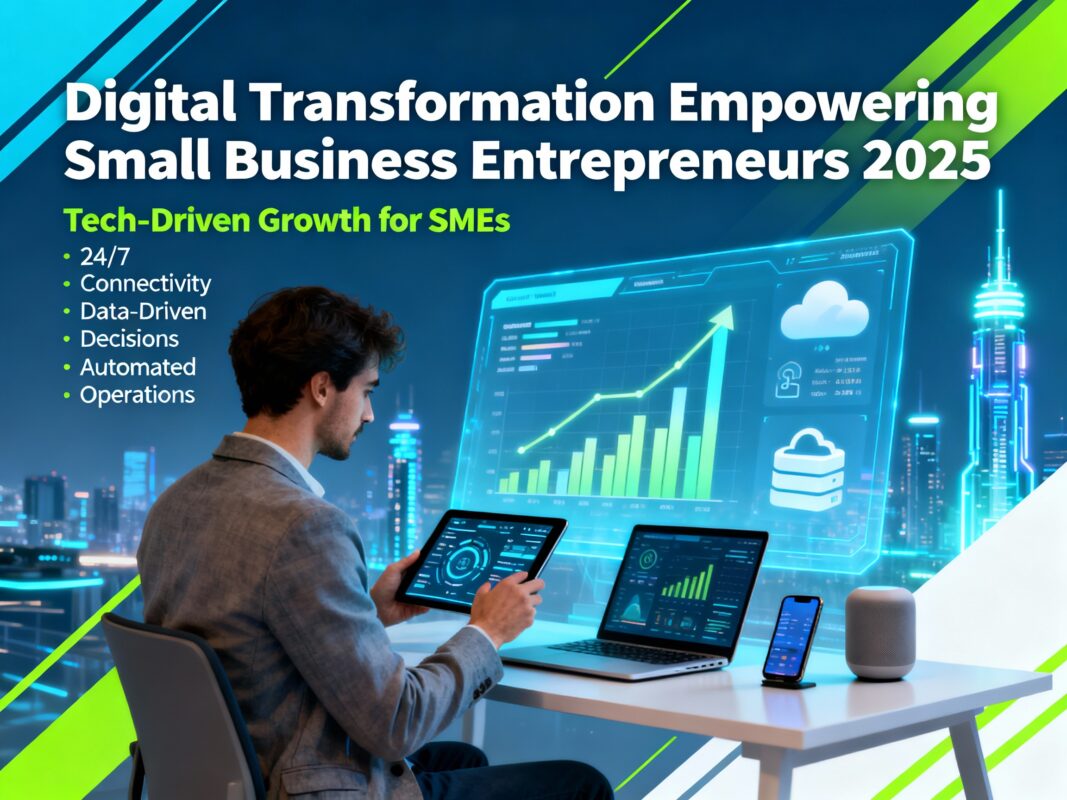
Digital transformation is no longer limited to large corporations; it is now a defining feature of every successful business. Artificial Intelligence (AI), automation, and data analytics have revolutionized how companies make decisions, connect with customers, and optimize performance.
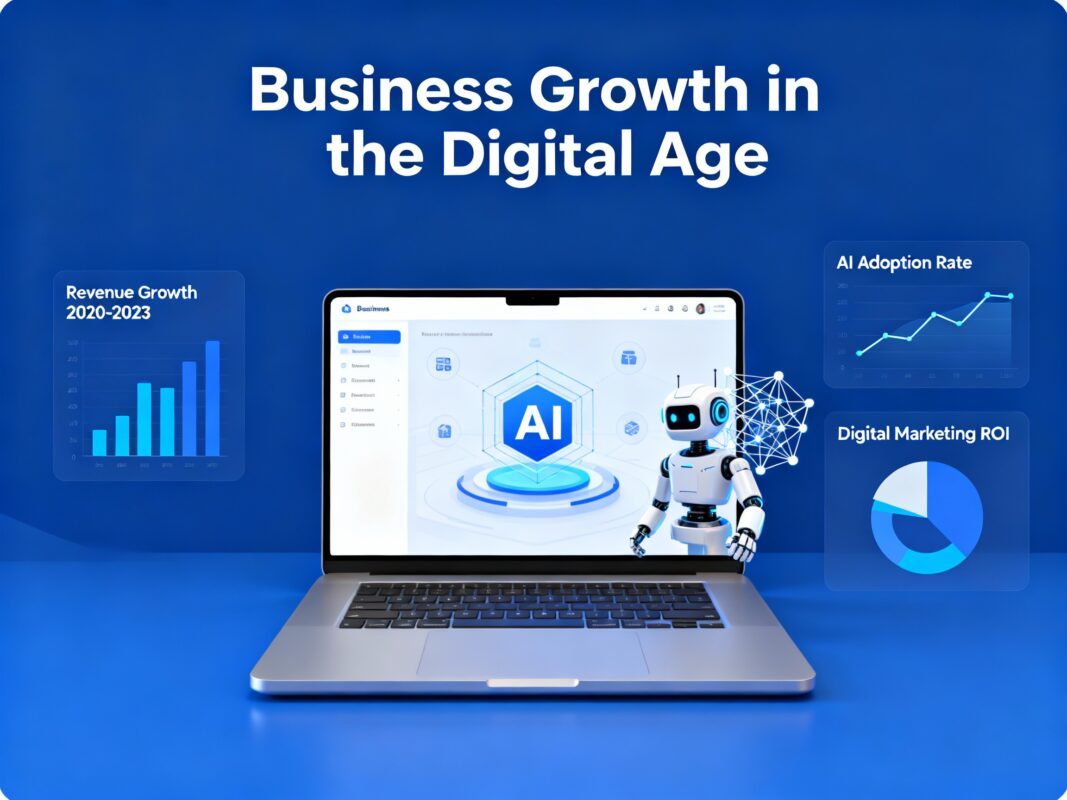
AI has moved from experimentation to becoming a daily necessity. Businesses use predictive data to understand consumer behavior, automate repetitive processes, and improve accuracy in marketing and operations. For instance, e-commerce platforms use AI-driven recommendations, while service industries rely on chatbots to enhance efficiency and customer satisfaction.
Blockchain, once a niche technology, is now a valuable tool for improving transparency and trust. It streamlines logistics, secures transactions, and reduces fraud—features that modern consumers and investors deeply appreciate. Companies integrating blockchain and AI are already outpacing competitors still relying on outdated systems.
Sustainability as a Strategic Priority
Sustainability has become a central part of modern business planning. Environmental and social responsibility directly influence brand loyalty and long-term profitability. Consumers prefer companies that take visible steps to reduce waste, conserve resources, and address ethical concerns.
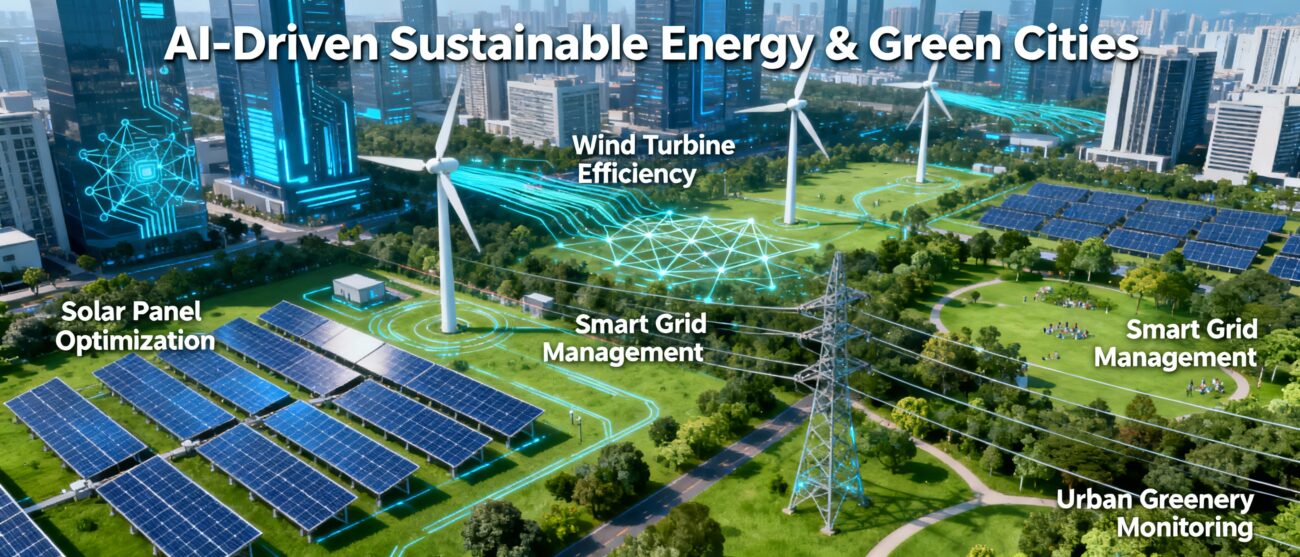
From renewable energy adoption to sustainable packaging, businesses are learning that being eco-friendly is not just good for the planet but also for their reputation and customer retention. Even small changes—like using biodegradable products or reducing paper use—signal that a company cares about its broader impact.
Major corporations are now adopting “green growth” strategies that link economic performance with environmental protection. This dual focus ensures that businesses can remain profitable while contributing positively to future generations.
The Rise of Remote and Global Workforces
The global shift toward remote and hybrid work models has permanently changed the concept of the workplace. What started as an emergency measure during the early 2020s is now a cornerstone of business flexibility.
Remote work allows companies to hire skilled employees from any location, reduce overhead costs, and operate more efficiently. It also boosts employee satisfaction by offering freedom and balance. However, this shift requires thoughtful leadership, digital infrastructure, and strong communication practices.
Globalization also continues to expand opportunities. Businesses are reaching audiences in different countries with minimal physical presence. Digital tools, virtual collaboration, and international marketplaces make cross-border commerce easier than ever before. The challenge lies in maintaining consistent quality and adapting to local cultures and regulations.
Innovation and Agility: The Twin Engines of Growth
Innovation drives business growth, but agility ensures survival. In fast-changing industries, rigid structures often lead to stagnation, while flexible, experimental companies move ahead. Businesses that think creatively, respond quickly to trends, and adjust strategies based on customer feedback stay ahead of competition.
Agility is about embracing uncertainty. It means testing new products, reimagining services, and learning from rapid market shifts. Companies that adopted digital tools, diversified their products, or moved online during disruptions of past years grew stronger and more adaptable.
Agility also depends on leadership mindset. Empowering teams to make decisions, encouraging creative thinking, and maintaining open communication are key to staying responsive and innovative.
Customer-Centric Strategies for Modern Success
Consumers are the heart of every business, but their expectations have evolved. They now demand speed, personalization, and authenticity. Companies that engage directly with their audience, offer value-driven experiences, and communicate transparently build deeper loyalty.
Modern marketing goes beyond advertising; it focuses on storytelling, brand purpose, and consistent interaction. Data analytics help companies understand their customers better, while social platforms give them real-time feedback.
Moreover, ethics and trust have become competitive advantages. Customers expect brands to take a stand on social issues and treat people fairly. Businesses that act responsibly and align their values with their audience create emotional connections that are difficult for competitors to replicate.
The Role of Leadership in the Future of Business
Leadership in 2026 is about vision, empathy, and adaptability. Traditional command-based management is giving way to collaborative, purpose-driven leadership. Successful leaders inspire teams, embrace diversity, and create environments where innovation thrives.
They also understand the role of technology in driving growth. Digital literacy among leaders is becoming as important as financial knowledge. Those who combine human insight with technological capability will build companies ready for tomorrow’s challenges.
Equally important is the social role of business leadership. Companies are expected to contribute to education, community welfare, and inclusive growth. Leaders who align profit with purpose help define a more sustainable and equitable global economy.
Looking Forward
The business world of 2026 is defined by speed, intelligence, and responsibility. Every industry is undergoing transformation, but the core principles remain the same: innovation, integrity, and adaptability.
Companies that embrace technology, commit to sustainability, and put people at the center of their operations will not only survive but thrive. The next chapter of business will be written by organizations that move confidently toward change, leveraging it as an opportunity rather than a challenge.
Change is no longer a threat—it is the most powerful tool for businesses ready to shape the future.