Casinos have fascinated people for centuries — from the glittering halls of Monte Carlo to the vibrant neon lights of Las Vegas. But the rapidly growing world of online casinos has proven that the attraction goes far beyond glamorous venues or flashing slot machines. It touches something much deeper: human psychology.
Understanding why people are drawn to casino gaming offers valuable insights into motivation, reward, risk-taking, and the thrill of uncertainty. While technology has transformed how betting happens, the psychological appeal remains timeless.
The Thrill of Uncertainty
At the heart of casino gaming lies one powerful emotion — anticipation. Each spin, card flip, or dice roll triggers a feeling of suspense. Psychologists call this the “variable reinforcement” principle — the same concept that makes social media scrolls, lotteries, and video games addictive.
When players win occasionally, rather than all the time, their brains release more dopamine — the chemical linked to pleasure and reward. It creates a sense of excitement and curiosity that keeps them coming back, even when the outcome is unpredictable.
This mechanism explains why online slots and roulette tables remain incredibly popular. People aren’t just chasing money; they’re chasing that feeling of possibility — the moment that might change everything.
The Role of Risk and Reward
Humans are wired to take risks, especially when the potential reward is high. Casinos tap into this natural tendency by offering games with clear risk-reward structures. Whether it’s a poker hand, blackjack strategy, or betting on roulette numbers, every move involves calculated uncertainty.
Interestingly, research shows that even small wins trigger strong emotional responses. Players often feel more motivated after losing narrowly because the brain perceives it as being “almost right.” This sense of near success fuels optimism, encouraging players to try again.
The Power of Escape and Entertainment
For many, casinos represent a form of escape from routine life. Online platforms have amplified this phenomenon, allowing people to experience the excitement of gaming from the comfort of home.
This escapism isn’t necessarily negative — it provides enjoyment, social connection, and recreation. Just as someone relaxes by watching a movie or playing a video game, casino players find entertainment in chance-based experiences.
With live dealer games, tournaments, and immersive visuals, online casinos now combine gaming mechanics with cinematic storytelling, transforming gambling into an engaging digital adventure.
Social Factors and Sense of Belonging
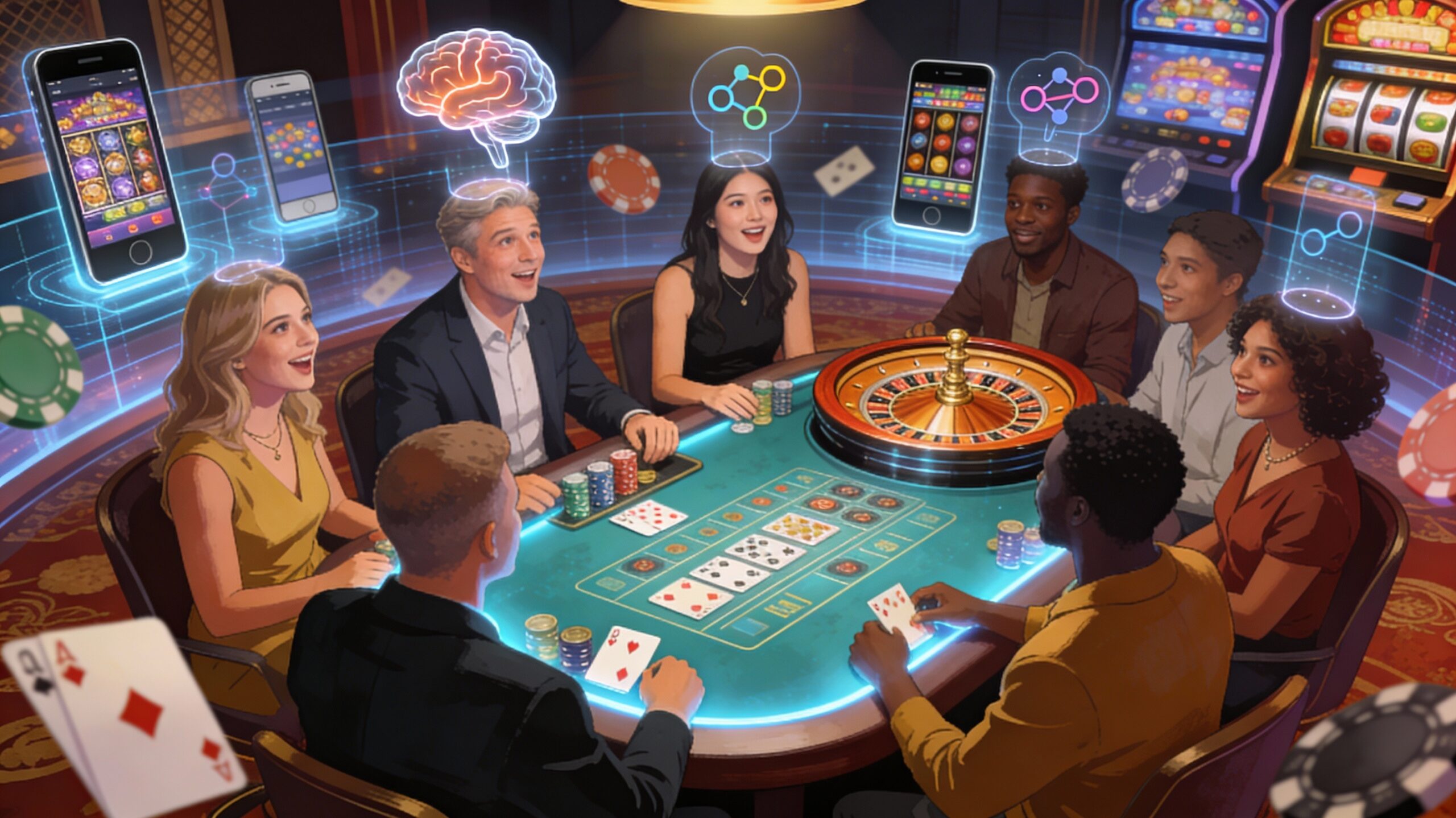
While casinos often appear as individual pursuits, social interaction plays a major role in why people enjoy gaming. In physical casinos, conversations, table camaraderie, and shared reactions build excitement. Online casinos replicate this through live chat rooms, multiplayer events, and community-based tournaments.
This sense of belonging makes players feel part of a broader experience. They exchange strategies, celebrate wins, and support one another during losses. Such interactions create emotional connections that extend beyond the actual act of gambling.
The Role of Design and Atmosphere
Casinos — both physical and virtual — use psychological design principles to shape behavior. Bright colors, lights, and sound effects stimulate attention and build emotional engagement.
Online platforms take this even further. Smooth animations, bonus pop-ups, and themed slots are carefully crafted to maintain user excitement. The goal isn’t just to reward financial participation, but to sustain a sense of momentum and entertainment.
Game developers often draw inspiration from popular culture — featuring fantasy, adventure, or sports themes — so players feel emotionally connected. This creative design keeps audiences from around the world engaged and entertained.
Responsible Gaming Awareness
While the thrill of gaming is appealing, it’s essential to understand the line between entertainment and risky behavior. Modern casinos now integrate responsible gaming features, such as self-exclusion options, deposit limits, and time reminders.
Awareness campaigns by regulators and operators encourage healthy gaming habits. Global casino markets — especially in the UK, Canada, and parts of Europe — are setting stronger ethical standards to ensure player well-being.
Casinos increasingly use artificial intelligence and data analytics to monitor gaming patterns and identify potential problem behaviors early. It’s a promising step toward an industry that values safety as much as excitement.
The Future of Casino Psychology
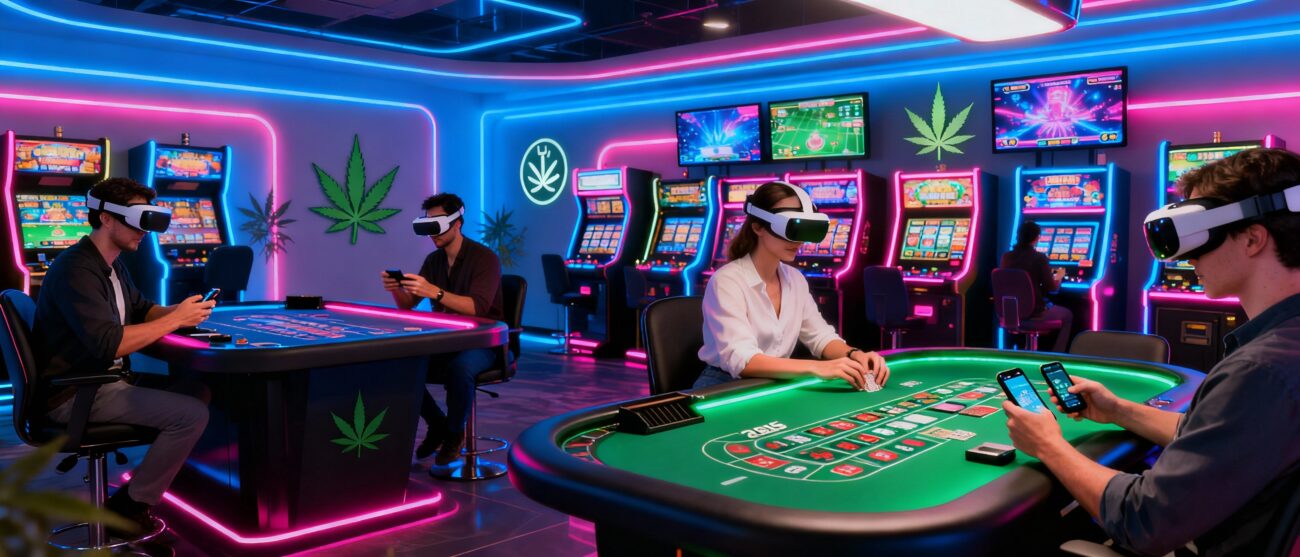
Looking ahead, the psychology behind gaming will continue to evolve alongside technology. Virtual reality and artificial intelligence could make casino experiences more immersive, while data insights will allow platforms to personalize entertainment ethically and responsibly.
Gamification — the blending of casino concepts with everyday digital interactions — is also on the rise. Whether in mobile apps, loyalty programs, or esports-style tournaments, the same psychological triggers of achievement, progress, and chance are being applied globally to attract younger audiences.
As technology redefines what entertainment means, the emotional core of casino gaming — the interplay of luck, skill, and anticipation — remains universal. It connects people from all walks of life, languages, and countries under the same feeling of shared excitement.
Final Thoughts
At its essence, casino gaming isn’t just about money — it’s about the human experience of thrill, challenge, and emotional reward. The flashing lights, spinning wheels, and suspenseful silence before a card flips all tap into ancient instincts that have driven humans for centuries: curiosity, hope, and the desire to win against the odds.
Whether in a glamorous casino resort or on a smartphone screen, the attraction isn’t simply gambling — it’s about feeling alive in the moment. And that psychological spark is what keeps casino gaming one of the most enduring forms of entertainment across the world.