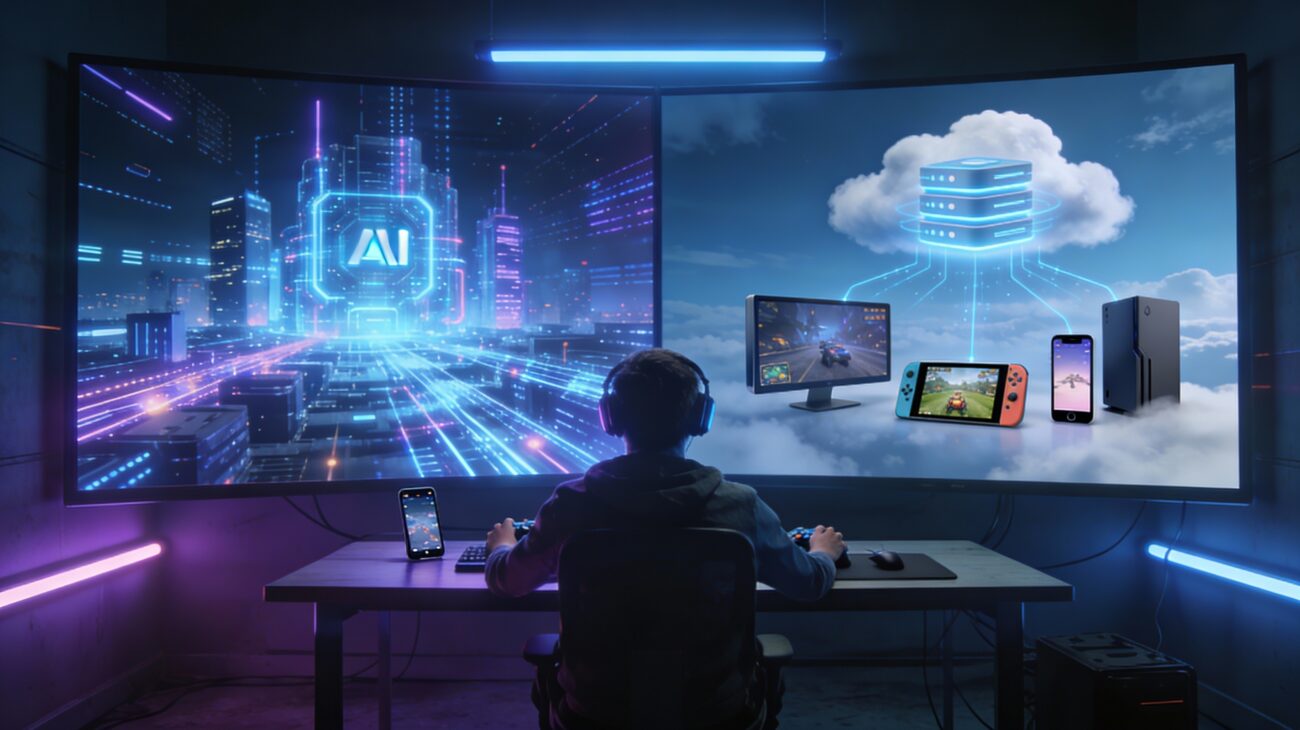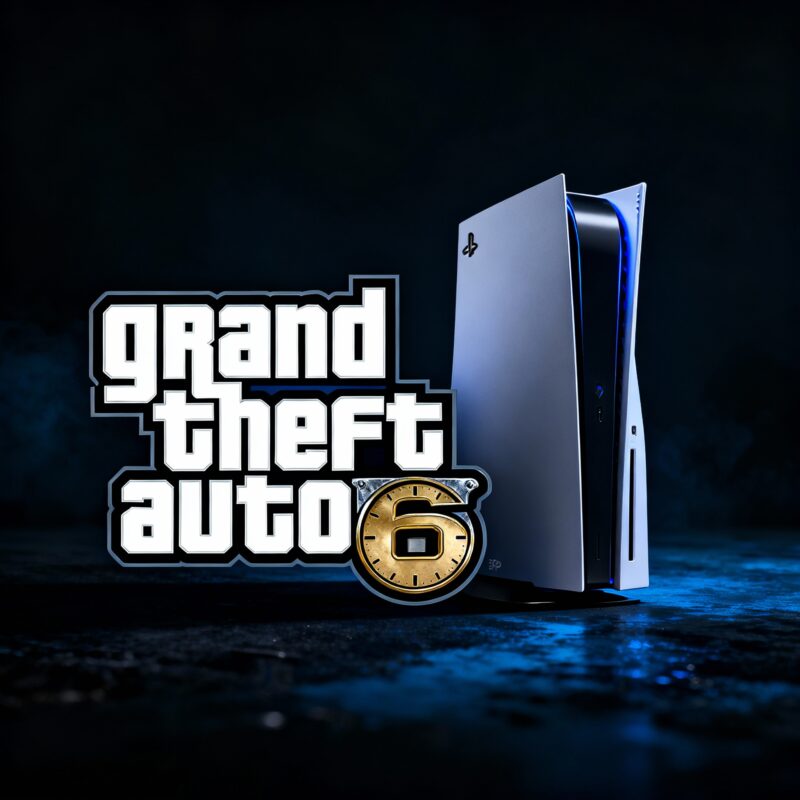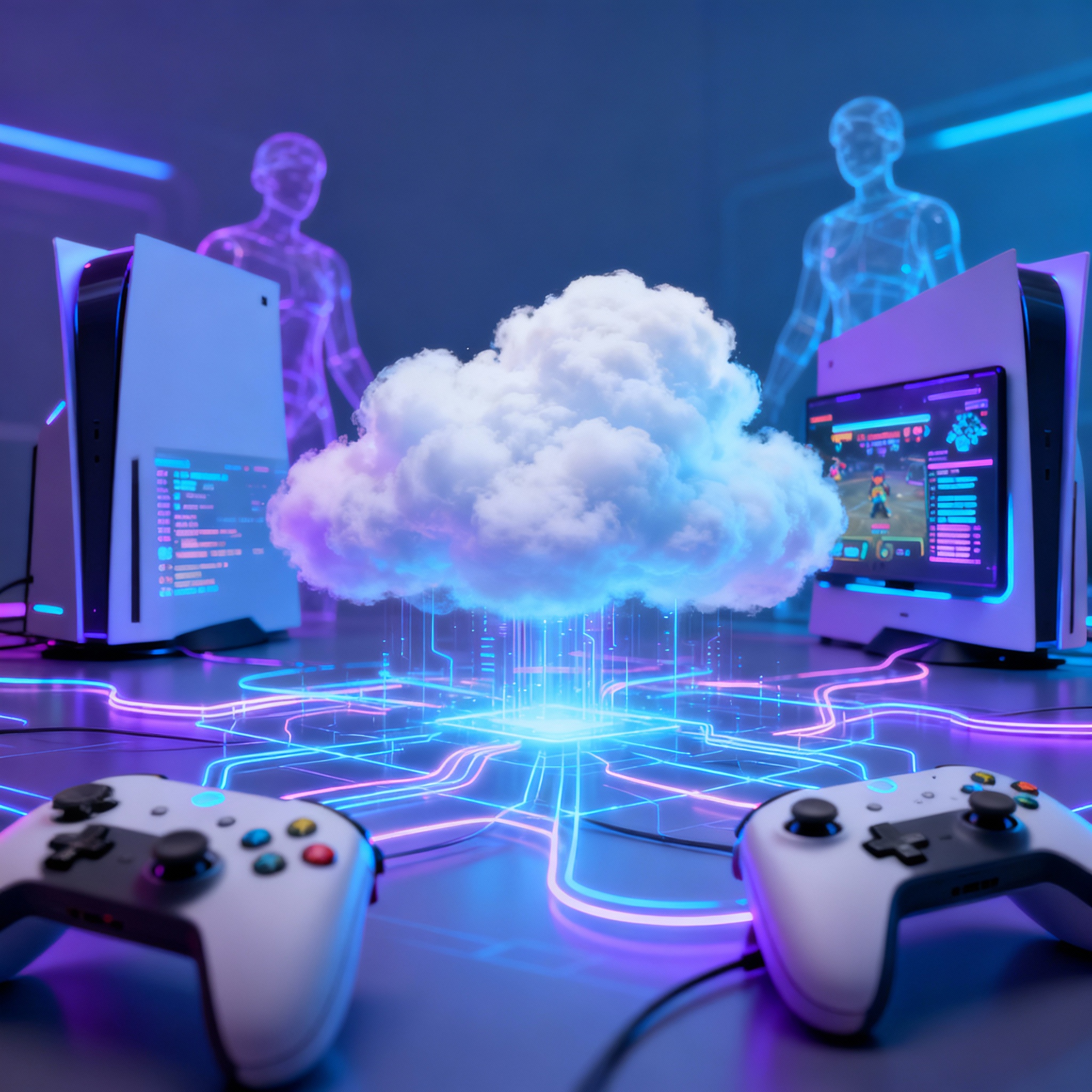
The gaming world is evolving faster than ever. Once, owning a powerful console or high-end PC was the only way to experience premium gaming. But today, cloud gaming is rewriting the rules. With services like NVIDIA GeForce Now, Xbox Cloud Gaming, PlayStation Plus Cloud, and Amazon Luna, gamers can stream AAA titles instantly — no downloads, no discs, and no expensive hardware required.
This technological shift has left many wondering: are we witnessing the end of the console era?
What Is Cloud Gaming?
Cloud gaming works much like Netflix, but for games. Instead of running on your local device, the game operates on remote servers (the cloud) and streams to your device in real time. The heavy lifting — graphics processing, rendering, and storage — happens in data centers. All you need is a stable internet connection and a compatible device.
This means you can play Cyberpunk 2077 on a smartphone or Call of Duty on a laptop without needing a console or gaming PC. The promise of accessibility and flexibility is what’s fueling cloud gaming’s explosive growth.
Why Cloud Gaming Is Rising So Fast
- Accessibility for Everyone
Cloud gaming breaks down barriers. Players don’t need to spend hundreds of dollars on consoles or upgrades. Whether you’re using a smartphone, TV, or old laptop, the experience remains nearly identical. This democratization of gaming has opened the door for millions of new gamers worldwide. - Cross-Platform Freedom
One of the biggest frustrations in gaming has always been exclusivity — certain games locked behind specific platforms. Cloud gaming dissolves those boundaries. You can start a game on your TV, continue it on your tablet, and finish it on your phone. This seamless experience has become a major attraction for the modern gamer. - Cost-Effectiveness
Traditional gaming demands recurring investments — consoles, controllers, physical discs, and constant upgrades. Cloud gaming, on the other hand, runs on subscription models. For a monthly fee, players access massive libraries without additional costs. Services like Xbox Game Pass Ultimate have shown how subscription-based gaming can revolutionize player habits. - Technological Improvements
Fast internet speeds (5G and fiber networks) and advanced data centers are the backbone of this revolution. Latency, once a major concern, is decreasing rapidly. Cloud providers now offer near-console performance, even in graphically intensive titles.
Major Players Dominating the Cloud Gaming Space
The competition for cloud gaming dominance is fierce:
- Microsoft (Xbox Cloud Gaming): Integrated into Xbox Game Pass Ultimate, it’s currently leading the pack with a strong library and device compatibility.
- NVIDIA GeForce Now: Offers impressive visual fidelity and performance, letting players stream games they already own on platforms like Steam.
- Sony PlayStation Plus Cloud Streaming: Expanding rapidly with access to hundreds of titles from past and present generations.
- Amazon Luna: Backed by Amazon’s vast infrastructure, Luna focuses on accessibility and cross-platform support.
- Google Stadia (Now Discontinued): While it didn’t survive, Stadia paved the way and taught the industry valuable lessons about user experience and content strategy.
Are Consoles Really Dying?
Not quite — at least, not yet.
While cloud gaming is growing rapidly, consoles still dominate the mainstream market. The PlayStation 5 and Xbox Series X continue to sell in record numbers. Many gamers still prefer physical hardware for reasons like performance reliability, exclusive titles, and nostalgia.
Moreover, internet accessibility remains uneven across the globe. In many regions, stable high-speed connections — essential for smooth cloud gaming — are still a luxury.
That said, the shift is undeniable. The console may not disappear overnight, but it could gradually become less central to gaming, much like DVDs did after the rise of streaming services.
The Future: Hybrid Gaming Ecosystems
The most likely future is hybrid gaming — where cloud gaming complements, rather than replaces, consoles. Companies like Microsoft are already blending the two worlds. With features like “Play Anywhere,” players can switch between console, cloud, and PC effortlessly.
Sony and Nintendo are also investing in cloud technology, not to replace consoles but to enhance accessibility and extend game lifespans.
In the next decade, we might see consoles evolve into compact streaming hubs — smaller, cheaper, and more focused on connectivity rather than raw power.
Challenges Cloud Gaming Must Overcome
Before cloud gaming can fully dominate, it needs to tackle several key challenges:
- Latency and Lag: Even minor delays can ruin fast-paced games like shooters or racers.
- Internet Dependence: Without a strong and stable connection, gameplay quality drops dramatically.
- Game Ownership: Many gamers still prefer owning their games rather than renting access.
- Data Privacy: Streaming means constant data exchange — a growing concern for privacy-focused users.
Overcoming these issues will be critical for widespread adoption.
Conclusion
Cloud gaming is no longer a futuristic dream — it’s here, and it’s transforming the gaming landscape. While consoles remain a powerful part of the ecosystem, the convenience, affordability, and flexibility of cloud platforms are too significant to ignore.
We’re entering an era where hardware limitations no longer define gaming experiences. Whether it spells the end of consoles or the birth of something greater, one thing is certain — the future of gaming lives in the cloud.