

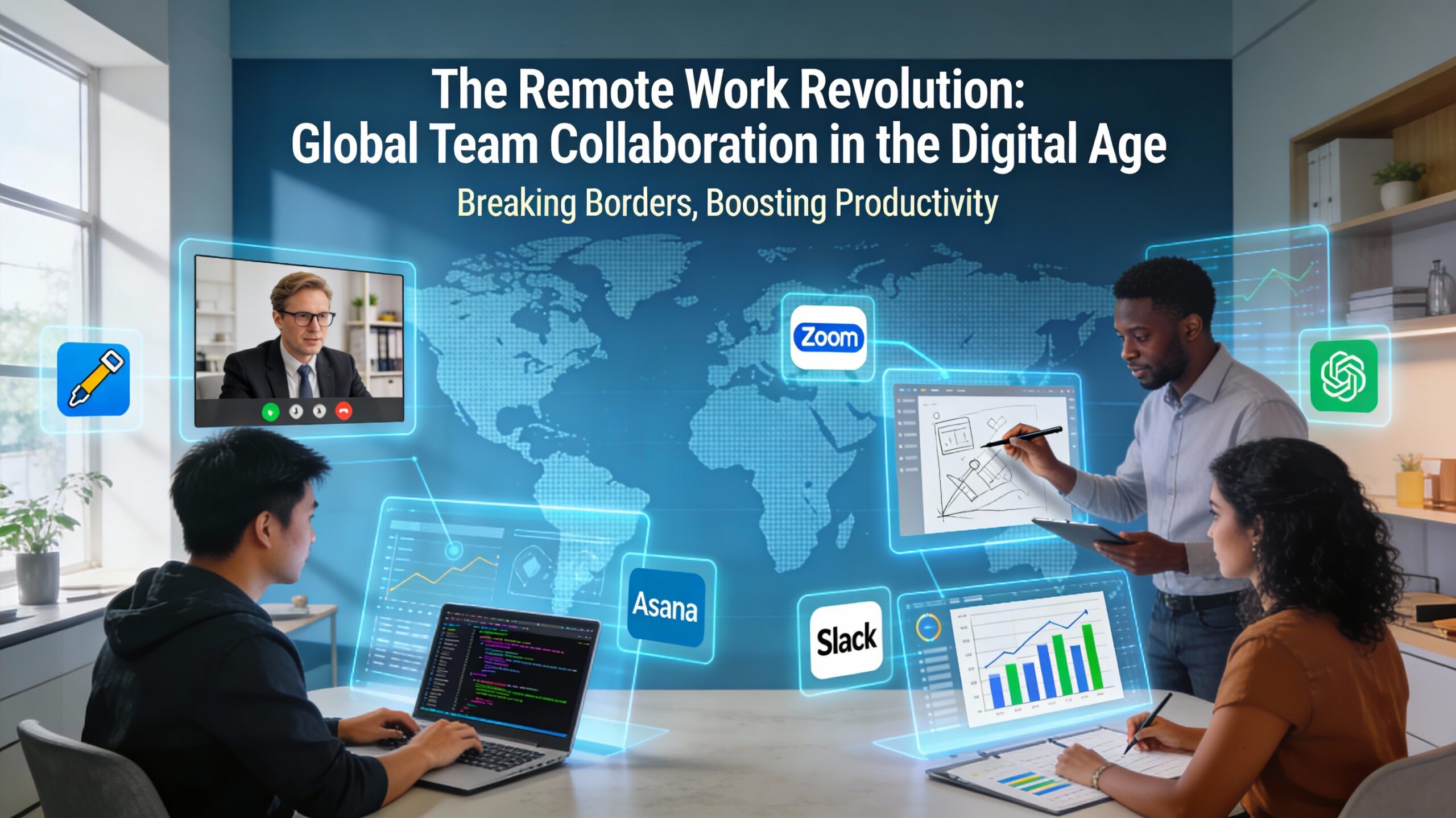
The traditional 9-to-5 office model has faded into history. Remote work now powers businesses worldwide, enabling teams from Tokyo to Toronto to collaborate seamlessly. This shift unlocks unprecedented talent pools, cuts overhead costs, and fosters work-life balance, reshaping how companies operate and compete globally.
Flexibility as a Competitive Edge
Remote setups allow businesses to hire top talent regardless of location. A software firm in Silicon Valley can onboard developers from Eastern Europe or designers from Southeast Asia without relocation expenses. This global hiring boosts innovation through diverse perspectives, with studies showing diverse teams outperform others by 35% in profitability.
Productivity thrives when employees work in preferred environments. Asynchronous communication tools replace rigid meetings, letting individuals contribute at peak efficiency across time zones.
Tools Powering Distributed Teams
Essential platforms streamline remote operations. Video conferencing like Zoom handles real-time strategy sessions, while project management apps such as Asana track progress transparently. Slack or Microsoft Teams facilitate instant messaging, file sharing, and integrations that keep everyone aligned.
Cloud-based tools ensure secure data access from anywhere. Cybersecurity measures, including VPNs and multi-factor authentication, protect sensitive information amid rising digital threats.
Cultivating Company Culture Virtually
Strong culture prevents isolation in remote teams. Regular virtual team-building—online games, coffee chats, or cultural exchange sessions—builds bonds. Leaders model vulnerability by sharing personal wins and challenges, fostering trust.
Recognition programs amplify motivation. Public shoutouts in shared channels or milestone bonuses acknowledge contributions, maintaining high engagement levels comparable to in-office teams.
Overcoming Remote Work Challenges
Time zone differences demand smart scheduling. Core overlapping hours ensure key discussions happen live, while recorded updates handle the rest. Clear documentation reduces miscommunication risks.
Burnout prevention starts with boundaries. Policies mandating digital detox days and mental health resources support well-being. Regular pulse surveys gauge team morale, enabling proactive adjustments.
Hybrid Models for Future Resilience
Pure remote isn’t universal; hybrid approaches blend office perks with flexibility. Employees choose based on tasks—collaboration days in hubs, focused work from home. This adaptability attracts millennials and Gen Z, who prioritize autonomy.
Scalable infrastructure supports growth. Investing in ergonomic home setups via stipends shows commitment to employee success.
Economic and Environmental Wins
Remote work slashes commuting emissions, aligning with sustainability goals. Companies save on real estate, redirecting funds to innovation. Economies benefit as regions outside major cities gain jobs, balancing urban-rural divides.
Global firms report 20-30% cost reductions, fueling reinvestment in R&D and expansion.