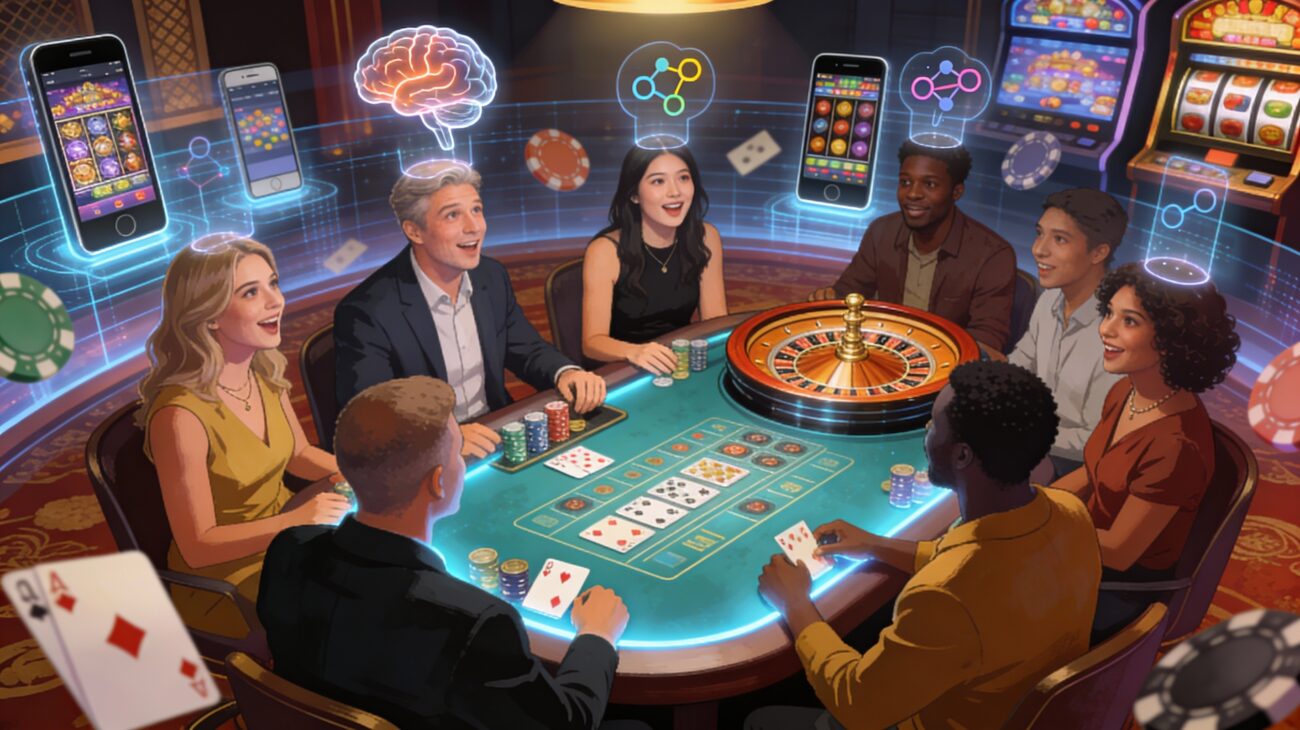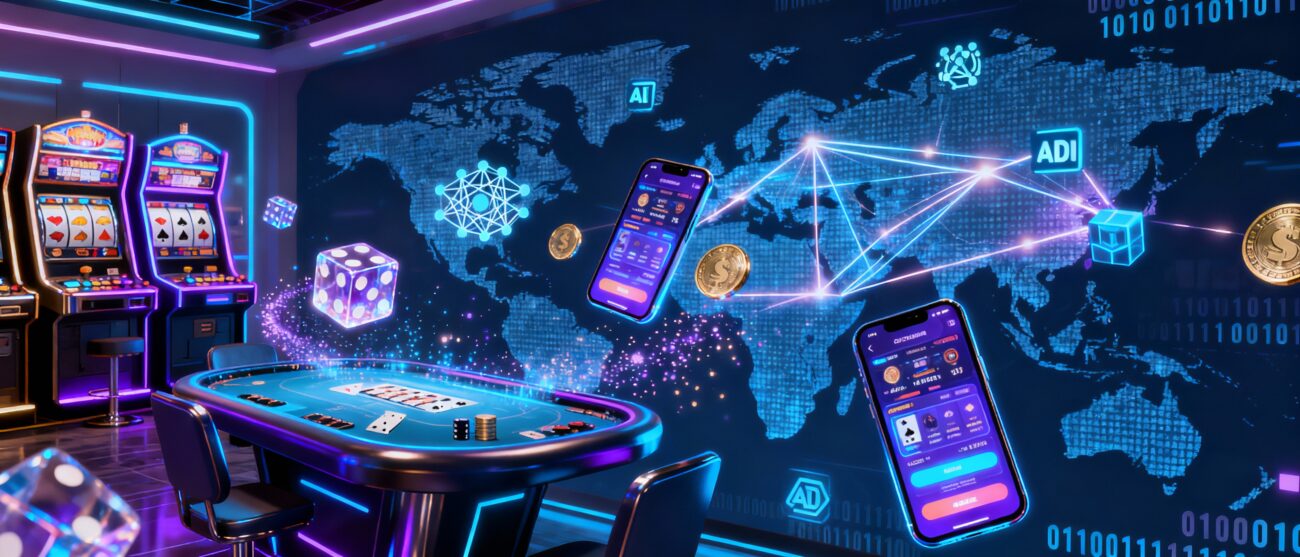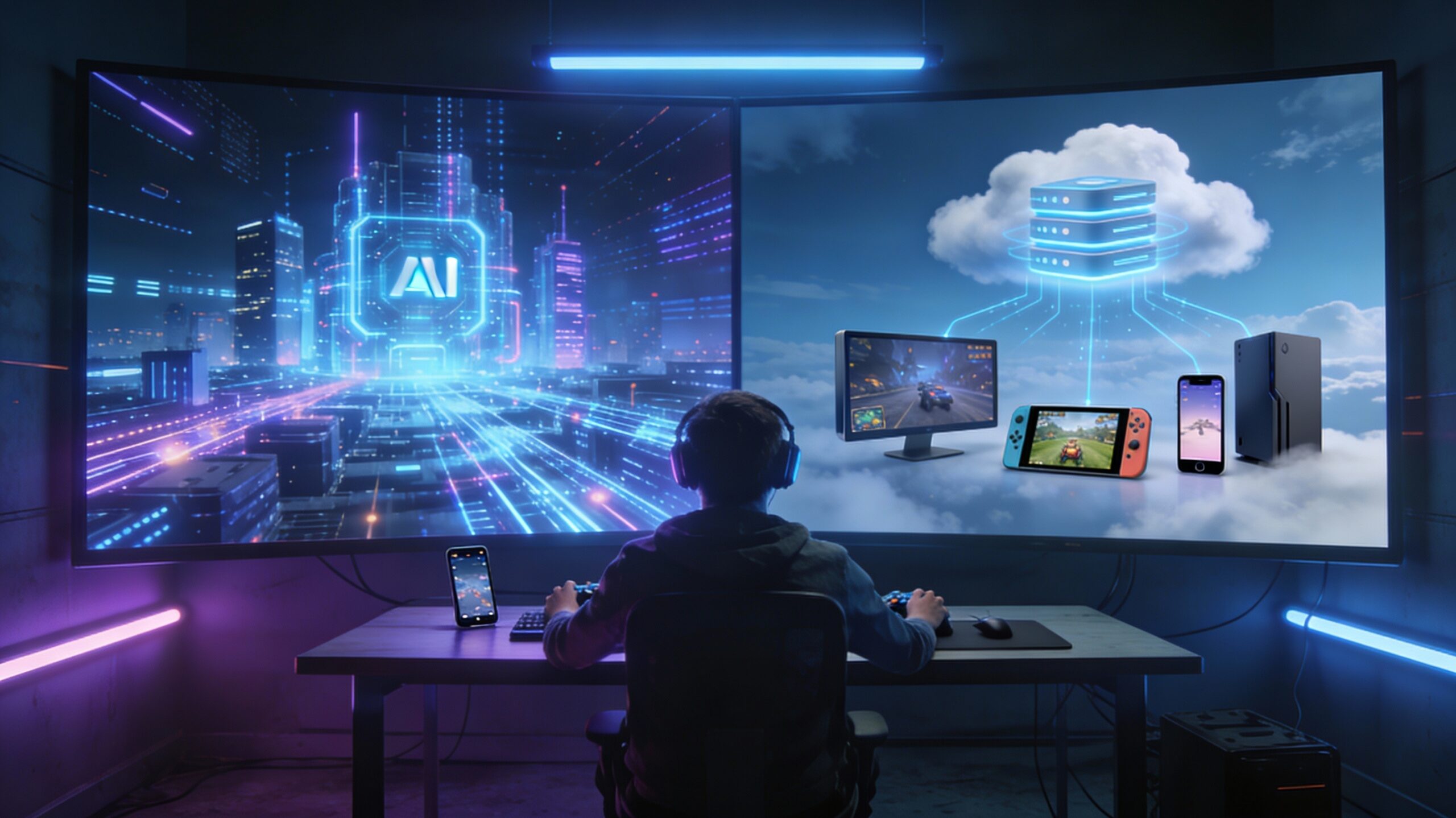
In the last decade, the gaming industry has evolved into one of the most powerful sectors of the digital economy. What began as simple pixelated adventures has transformed into immersive, realistic worlds driven by cutting-edge technology. As we move deeper into the 2020s, two major forces—Artificial Intelligence (AI) and Cloud Gaming—are shaping the next frontier of interactive entertainment. This article explores how these technologies are changing the way we play, compete, and connect.
AI-Powered Game Development
Artificial Intelligence has moved far beyond NPC pathfinding and enemy AI. Today, game developers use AI for everything from procedural content generation to player behavior prediction. This means games are becoming more adaptive and intelligent.
For instance, AI tools can analyze how players interact with the game and adjust difficulty levels or storylines dynamically. This provides a more personalized experience. Games like No Man’s Sky and Minecraft use AI algorithms to generate vast environments, offering nearly infinite exploration potential.
Moreover, AI helps developers reduce production time and costs by automating repetitive tasks like testing, lighting, and animation corrections. This allows studios to focus on creativity while improving the overall game quality.
Cloud Gaming: The End of Hardware Limitations
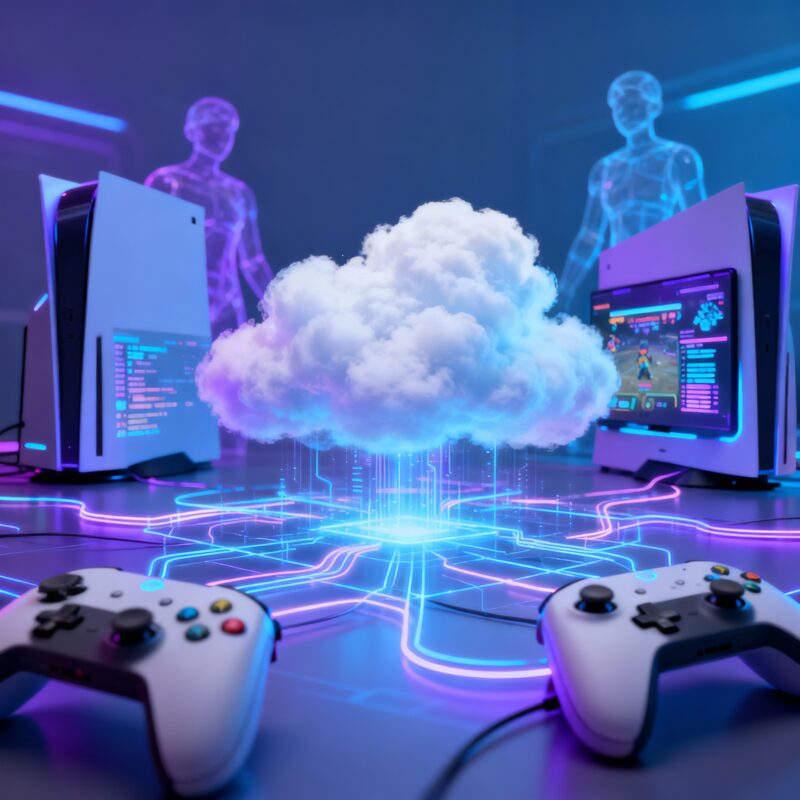
Gone are the days when you needed a high-end console or gaming PC to enjoy AAA titles. Cloud gaming platforms such as Xbox Cloud Gaming, NVIDIA GeForce NOW, and PlayStation Plus have broken hardware barriers. Players can now stream games directly from powerful servers, just like watching a movie on Netflix.
The advantage is clear: accessibility. Gaming no longer depends on device specs; all players need is a stable internet connection. This technology also helps developers reach new markets in regions where gaming consoles or expensive PCs are less common, promoting global inclusivity.
Furthermore, cloud integration allows instant updates and patches, removing the need for massive downloads or storage upgrades. This tech is paving the way for a subscription-based future, where gamers pay for access to a large library instead of purchasing individual titles.
AI in Esports and Game Streaming
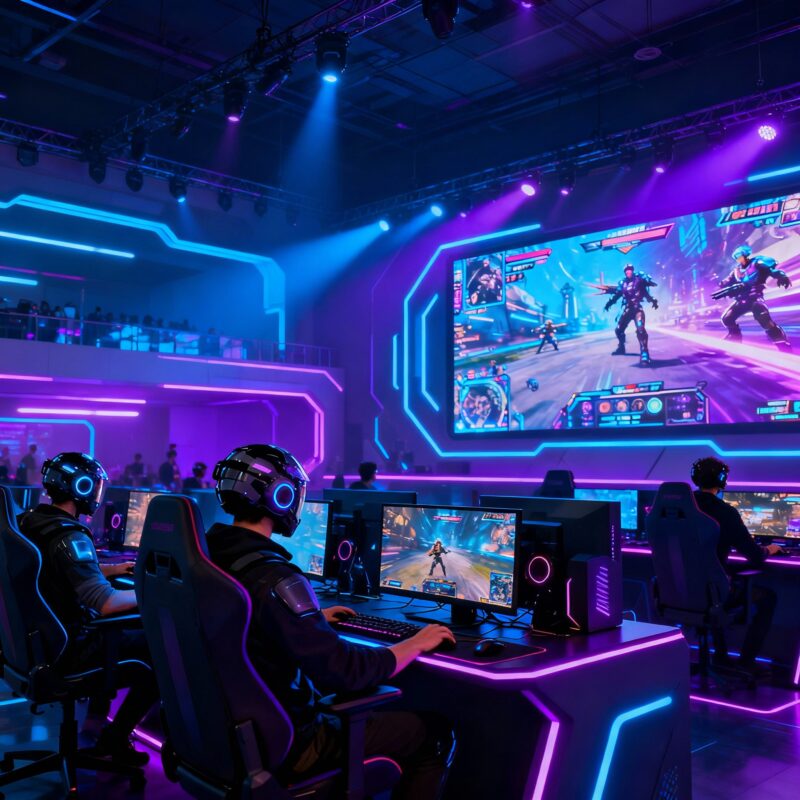
AI isn’t just revolutionizing how games are made—it’s transforming competitive and social gaming too. Esports, now a multibillion-dollar industry, leverages AI to analyze player performance and strategize improvements. Real-time analytics, powered by machine learning, can track everything from reaction times to gameplay patterns, offering insights that help both amateurs and professionals refine their skills.
Streaming platforms like Twitch and YouTube Gaming are also benefiting from AI. Recommendation algorithms personalize content feeds, connecting streamers with the right audience and keeping engagement high. AI-driven moderation tools detect toxicity in chats, improving online environments and fostering community growth.
Immersive Worlds through AI and AR/VR Fusion
The blending of AI with Augmented Reality (AR) and Virtual Reality (VR) is making gaming more immersive than ever before. AI enhances realism by making virtual characters behave more lifelike, responding intelligently to player interactions. In VR games, AI helps simulate realistic motion and adaptive environments that react to actions in real time.
AR games such as Pokémon GO have already shown how digital and physical worlds can merge. As AI evolves, this synergy will create even deeper storytelling experiences—where your environment, decisions, and emotions directly influence how the game unfolds.
The Rise of Personalized Gaming
Thanks to AI and big data, personalization is becoming the new standard in gaming. Developers now collect insights on how players respond to in-game mechanics, storylines, and challenges. They then use this data to craft more engaging experiences.
Imagine a game that learns your favorite playstyle—stealth, speed, or strategy—and adapts missions accordingly. This kind of personalization not only keeps players engaged longer but also builds loyalty in an increasingly competitive market.
Ethical Challenges and the Road Ahead
While the future looks bright, the growing integration of AI and cloud services raises ethical and privacy questions. Data collection must remain transparent, and developers must prioritize user consent and security.
Equally important is the need to ensure accessibility and affordability. Cloud gaming’s full potential depends on internet speed and infrastructure, which vary across regions. Addressing these challenges will be key to making gaming truly global and inclusive.
Conclusion
The convergence of AI, cloud computing, and immersive technologies marks the dawn of a new gaming era—one where creativity meets connectivity. As developers push boundaries and players demand more authentic experiences, the line between reality and digital entertainment will continue to blur.
For gamers and creators alike, this is an exciting time. The fusion of intelligent systems and global connectivity ensures that the future of gaming will not just be about playing—it will be about living the experience.