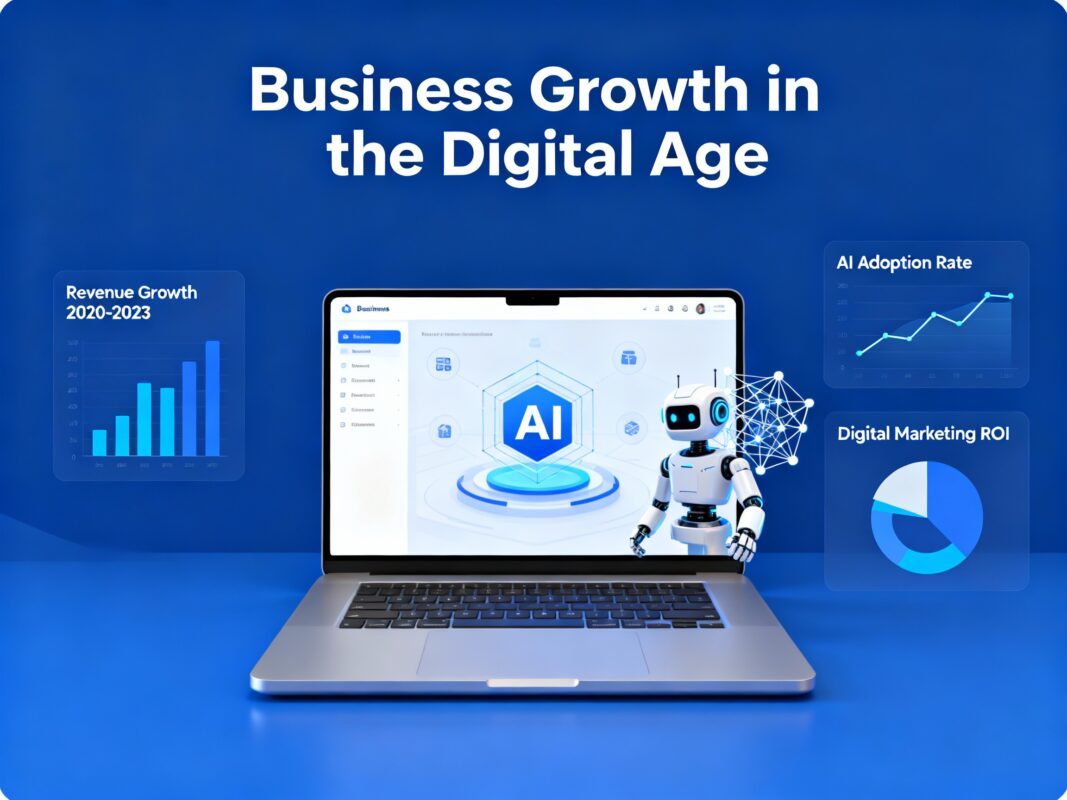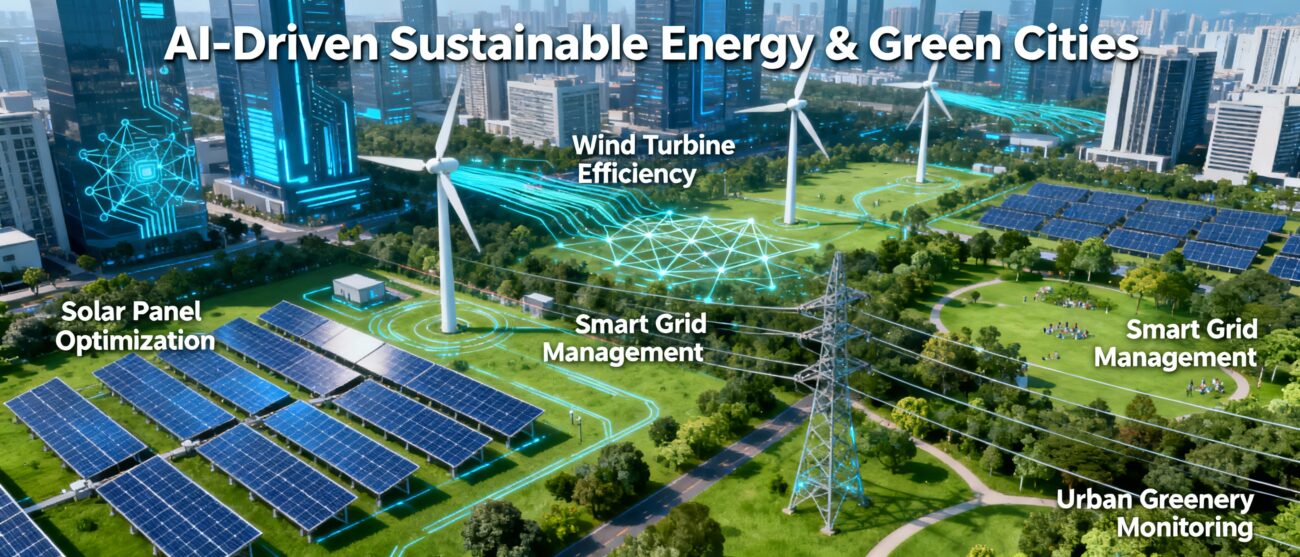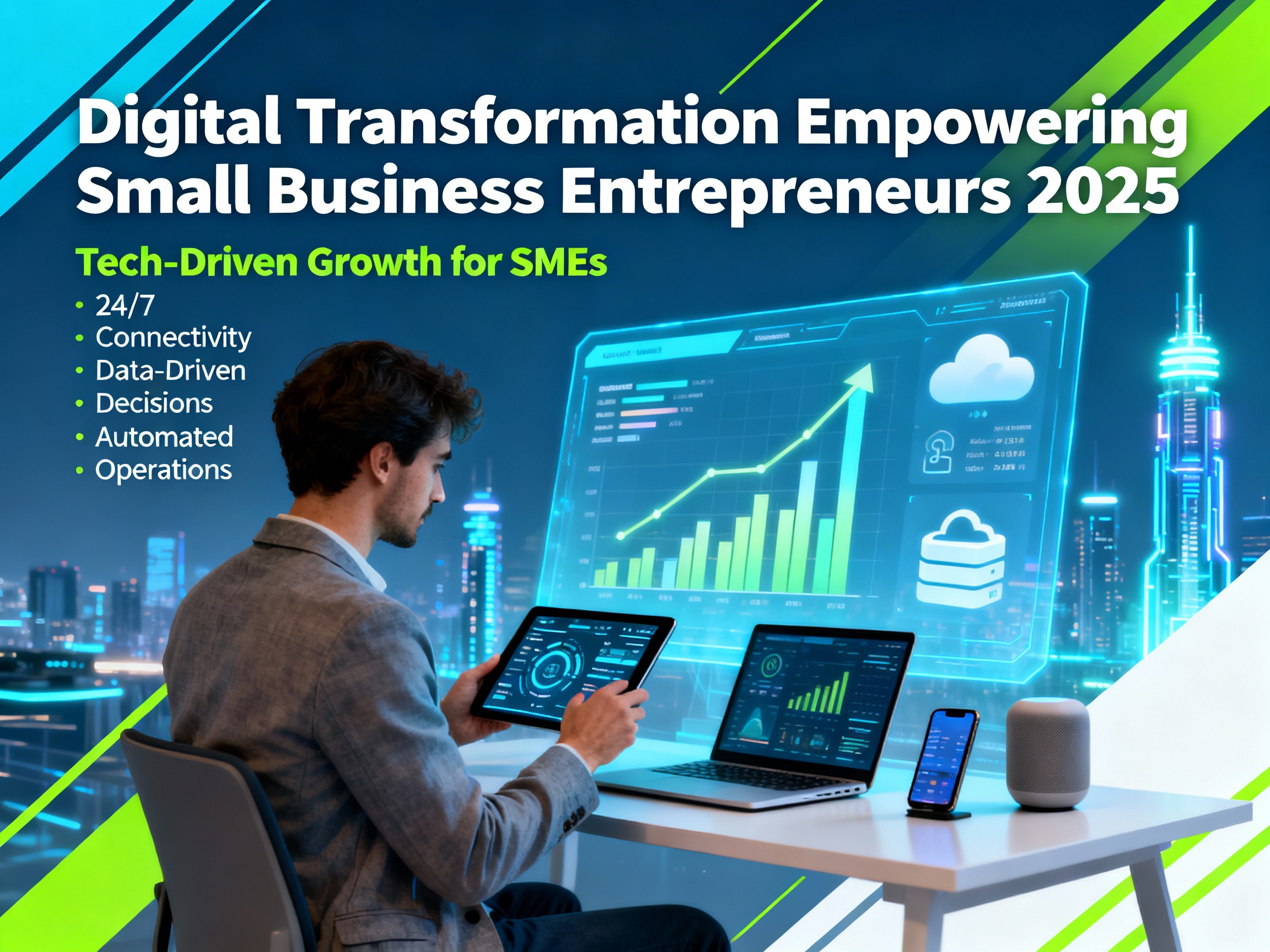
In the last few years, the business landscape has shifted more rapidly than ever before. What once required large teams, heavy investments, and years of planning can now be executed by a small business in just a few months—all thanks to digital transformation. As we move deeper into 2025, small and medium-sized businesses (SMBs) are not only adapting to digital tools but using them as powerful engines of growth. From AI-powered customer engagement to cloud-based operations and digital payments, the future now belongs to entrepreneurs who are willing to innovate.
1.Digital Tools Are Leveling the Playing Field
One of the biggest advantages of digital transformation is that small businesses can now compete with much larger companies. Tools like AI chatbots, CRM systems, automation platforms, and cloud storage allow even a newly established brand to operate with efficiency similar to a big corporation.
For example, customer support that once required a team can now be managed by AI assistants that respond 24/7. Cloud platforms help store documents securely without physical infrastructure, while automation tools help streamline repetitive tasks such as invoicing, scheduling, and email marketing.
This means small businesses can redirect more time and money towards innovation and customer service—areas that directly influence growth.
2.Rise of Automation & AI-Driven Decision Making
Artificial Intelligence is no longer a “future technology”—it has become the heart of modern business operations. In 2025, businesses use AI for:
- Market research and trend predictions
- Customer segmentation and targeting
- Automated content creation and social media scheduling
- Risk analysis and financial forecasting
Even small retail shops are now using AI to predict which products will sell more during certain seasons. Service-based businesses use AI to understand customer behavior, improve engagement, and maximize conversions.
With smarter insights, entrepreneurs can make faster, data-backed decisions instead of relying on guesses. This leads to better strategies, lower risks, and higher profits.
3.Social Media Has Become a Core Business Channel
Earlier, social media was simply a platform for marketing. Today, it has transformed into a fully integrated business ecosystem. Many businesses now generate 80% or more of their leads through platforms like Facebook, Instagram, and WhatsApp.
Here is how social media is reshaping business:
- Reels and short videos are driving massive brand visibility.
- Influencer collaborations help reach precise audiences.
- Social commerce allows customers to buy products directly within the app.
- Personal branding has become a key trust-building tool for business owners.
In today’s digital environment, a strong social presence is often more valuable than a physical store. Customers want to see the face behind the brand, understand the mission, and relate to the content.
4.Remote Work Is Redefining Business Structures
Another major trend driving change is the widespread acceptance of remote and hybrid work. Small businesses that once struggled to hire skilled employees now have access to a global talent pool.
Remote work has brought several advantages:
- Reduced office expenses
- Higher employee productivity
- Better access to skilled professionals
- More flexibility and faster project delivery
Freelancers, virtual assistants, and remote marketing teams now support thousands of small companies across the world. This allows businesses to scale operations even with limited budgets.
5.Customer Experience Is the New Competitive Edge
In 2025, customers expect more than good products—they want fast service, personalized solutions, and consistent engagement. This makes customer experience (CX) one of the strongest growth drivers.
Businesses that invest in CX often outperform their competitors. Some ways companies are improving CX include:
- Chatbots for instant responses
- Personalized email and SMS campaigns
- Fast and easy digital payment solutions
- Seamless return and refund processes
- Loyalty programs and exclusive member offers
A positive customer experience increases repeat purchases, brand loyalty, and word-of-mouth referrals—all of which are essential for long-term success.
6.Sustainability & Ethical Practices Matter More Than Ever
Modern consumers care about sustainability. They prefer brands that show commitment to the environment, clean production, and ethical manufacturing. Small businesses are responding by:
- Using eco-friendly packaging
- Reducing waste and energy usage
- Partnering with ethical suppliers
- Supporting community initiatives
This not only builds trust but also sets the tone for a responsible business culture.
Final Thoughts
The future of business belongs to those who embrace technology, understand customer needs, and adapt quickly to new market conditions. As digital transformation continues to evolve, small businesses have more opportunities than ever before.
Entrepreneurs who leverage AI, automation, social media, and strong customer experience can scale faster and reach global audiences—something that was once possible only for big companies. 2025 is truly the year where small businesses can think big and achieve bigger.