

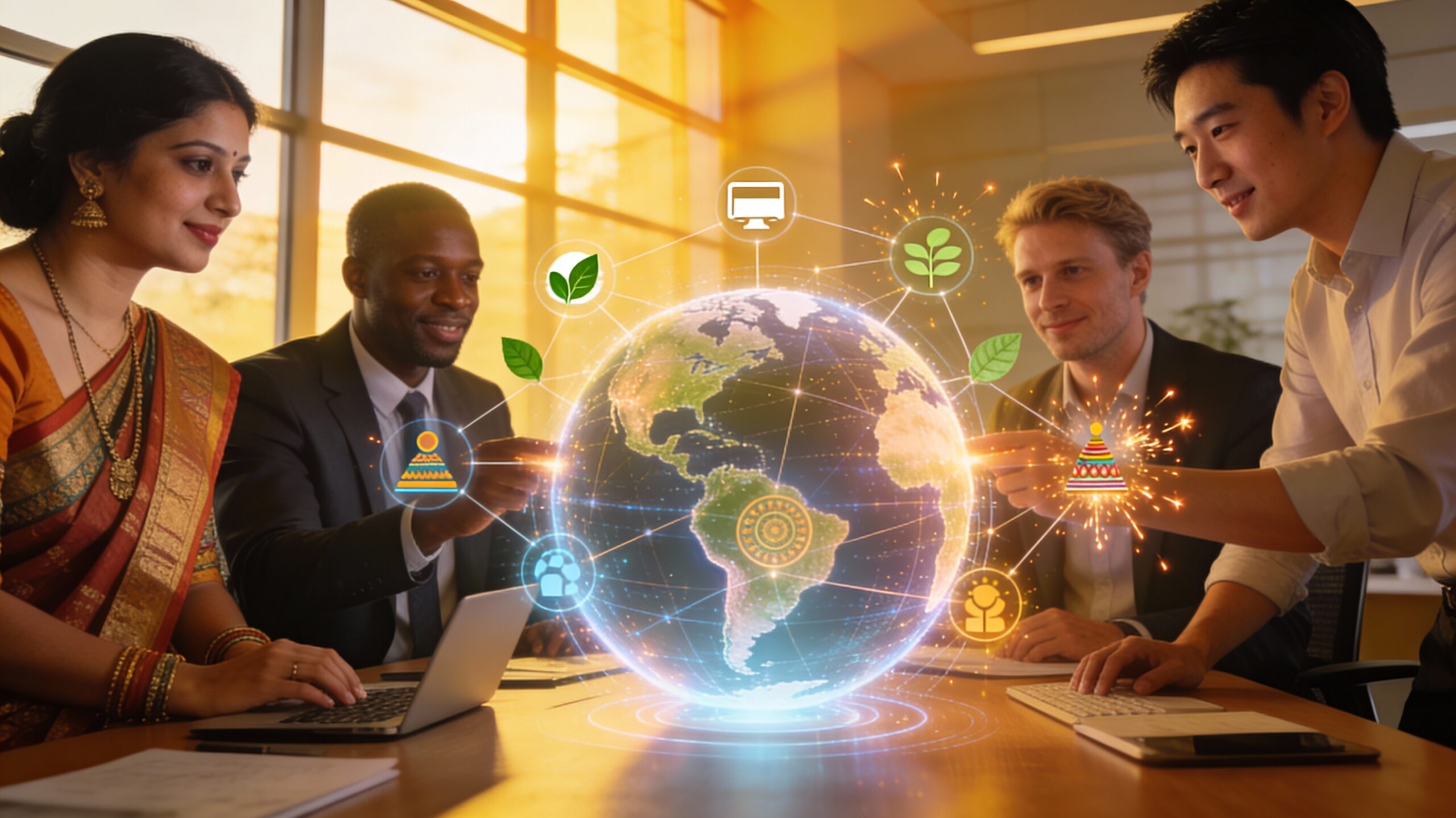
In the past, starting a business meant securing office space, networking locally, and building clientele within a specific region. Today, a new breed of entrepreneurs has redefined these boundaries. From the bustling streets of Lagos to the quiet suburbs of Lisbon, ambitious individuals are leveraging global markets, cultural diversity, and innovative thinking to create ventures that thrive beyond borders.
Global entrepreneurship has become more than an economic trend — it’s a cultural shift. The convergence of technology, remote work, and online trade has empowered even small business owners to think and operate globally. The driving forces? Accessibility, creativity, and adaptability.
The Rise of Borderless Business
Modern entrepreneurs understand that innovation isn’t limited by geography. E-commerce platforms, social media networks, and digital marketplaces have opened international doors for companies of all sizes. A jewelry designer in Jaipur can sell to customers in New York; a sustainable clothing brand from Peru can reach eco-conscious shoppers in Germany.
This global accessibility has also heightened competition. Success now depends on standing out in a crowded digital landscape, where branding, storytelling, and ethical values play as much of a role as pricing. Businesses that succeed globally approach their audiences with personalization and authenticity, not a one-size-fits-all strategy.
Cultural Intelligence as a Business Advantage
Cultural sensitivity has become a key element of modern entrepreneurship. Understanding the nuances of local cultures, languages, and consumer behaviors gives international businesses an edge. For example, global food brands are increasingly customizing menus to align with local tastes — what sells in Tokyo might not appeal in Toronto.
Likewise, marketing campaigns that embrace local festivals, languages, and traditions often generate stronger emotional connections. Successful global entrepreneurs take the time to learn from the communities they want to serve. This form of “cultural intelligence” creates mutual respect and trust, turning businesses into cultural bridges rather than foreign invaders.
Sustainability: The Currency of Trust
Global business is no longer just about profit margins. Consumers now evaluate companies based on their environmental and social commitments. Sustainability has evolved into a defining factor for credibility. Whether it’s a startup using recycled packaging or a multinational reducing carbon emissions, the call for eco-friendly practices is echoing worldwide.
Sustainable entrepreneurship also creates new business opportunities. Brands that combine purpose with product — from ethical fashion to renewable energy startups — are seeing rapid growth. This shift reflects a deeper change in consumer consciousness: people are choosing brands that align with their values, not just their budgets.
The Digital-First Entrepreneur
The rise of digital business ecosystems has given rise to a new entrepreneurial mindset — one based on agility, creativity, and adaptability. Entrepreneurs are no longer tied to one revenue stream or strategy. Instead, they are shifting to hybrid models blending digital presence with real-world engagement.
For instance, many small businesses now launch as online-first brands, later expanding into physical spaces once they’ve built a strong digital following. Others engage customers through virtual experiences, content-driven marketing, and influencer collaborations that transcend traditional advertising. The ability to connect with consumers through multiple channels has become essential.
Collaboration Over Competition
In the modern business world, partnerships have replaced rivalries. The spirit of collaboration now dominates global entrepreneurship. Startups are teaming up with established corporations, influencers are partnering with brands, and community-driven ventures are reshaping entire industries.
This cooperative approach generates not only profit but also innovation. By sharing resources, ideas, and audiences, businesses can reach further with fewer constraints. The result is an interconnected marketplace where cross-industry alliances are becoming the norm rather than the exception.
Challenges on the Global Stage
Despite countless opportunities, entering the global market comes with challenges. Entrepreneurs must navigate complex international laws, currency fluctuations, and cultural barriers. Language differences and logistics can also present hurdles for expanding brands.
Yet, these obstacles are not insurmountable. Businesses that prioritize adaptability and long-term planning often find ways to overcome them. Building diverse teams, hiring local experts, and investing in scalable infrastructure are strategic moves that support sustainable global expansion.
The Future: Purpose-Driven Global Enterprises
Looking ahead, global entrepreneurship will increasingly revolve around purpose, inclusion, and social value. The most successful businesses will be those that combine innovation with empathy — addressing global challenges such as inequality, education, and environmental conservation through creative enterprise.
As younger generations enter the workforce and consumer market, their expectations of businesses continue to evolve. They demand transparency, diversity, and impact. Entrepreneurs who respond to these expectations with meaningful solutions will not only achieve growth but also shape the future of global business.
Conclusion
The new era of global entrepreneurship is defined by more than profit and productivity — it’s about people, planet, and purpose. Around the world, businesses are rewriting the rules of success by blending innovation with cultural awareness and ethical responsibility.
In this interconnected age, the entrepreneurs who will lead tomorrow are those who see beyond borders and believe that success is measured not just in revenue, but in relevance and resilience.