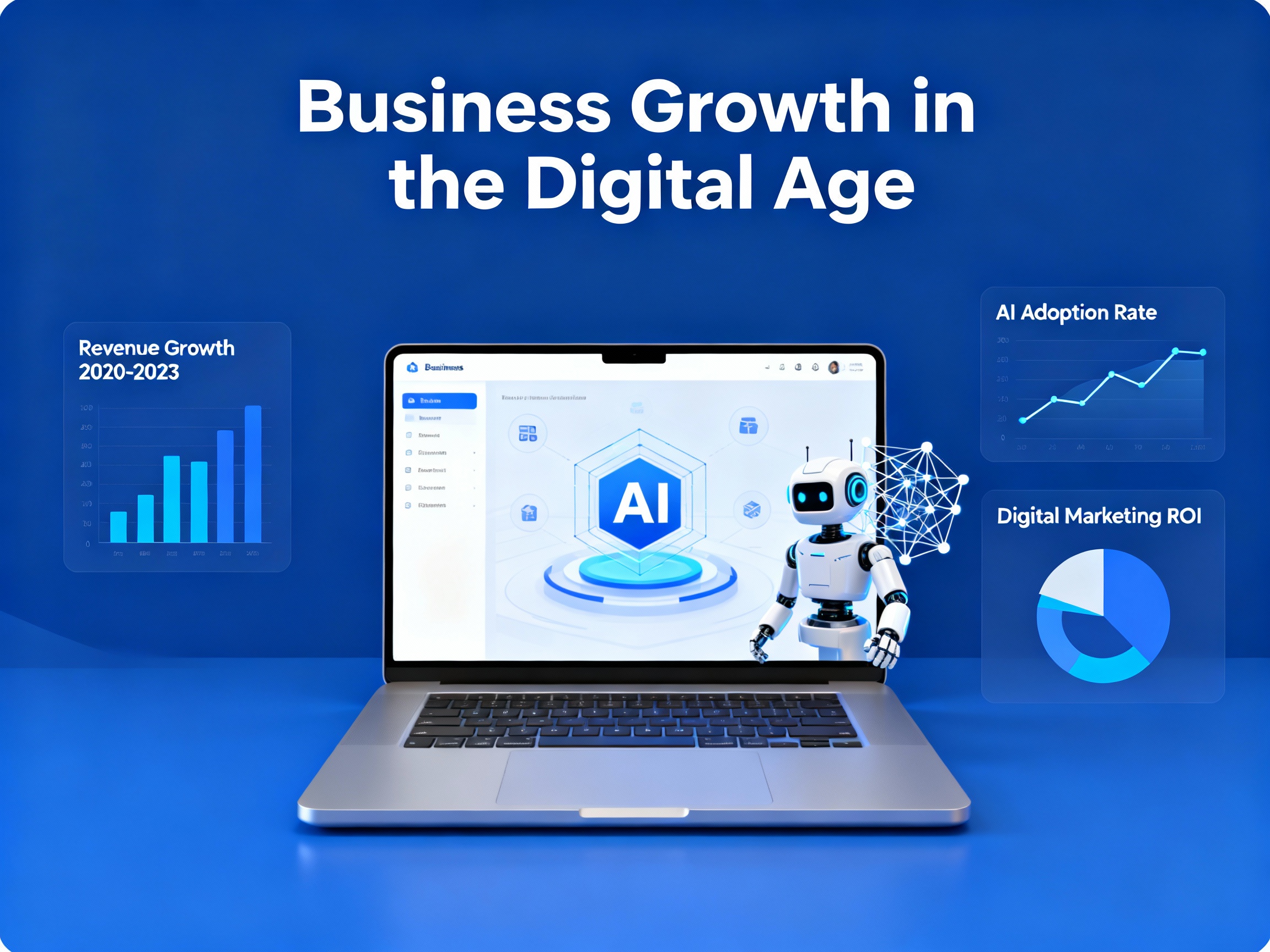
The digital age has fundamentally transformed how businesses operate, compete, and connect with customers. What once required physical presence, large teams, and heavy advertising budgets can now be achieved with data-driven insights, automation tools, and global connectivity. Yet, while digital transformation has opened opportunities for unprecedented growth, it also demands strategic reinvention to stay ahead. Unlocking business growth in today’s digital landscape means blending technology with vision, agility, and human intelligence.
The Rise of the Digital Ecosystem
Over the past decade, digital ecosystems have evolved into the heartbeat of global business. From small startups to multinational corporations, almost every organization now relies on digital platforms for visibility, transactions, marketing, and customer engagement. The shift accelerated further during the pandemic, when remote work, e-commerce, and virtual communication became necessities rather than choices.
Businesses that embraced digital ecosystems early reaped outsized benefits—greater reach, faster scalability, and better customer data. Platforms like Amazon, Shopify, Meta, and Google Ads enable even small businesses to reach global audiences. Social channels such as Instagram, X (formerly Twitter), and TikTok transformed into powerful marketing stages where creativity meets commerce. The message is clear: digital presence is no longer optional; it is integral to survival and growth.
Data as the New Growth Currency
The most valuable asset in the digital world today is data. Every click, view, and purchase tells a story about user behavior and preferences. Companies that know how to collect, analyze, and act on this data can make highly informed decisions—improving product development, enhancing marketing efficiency, and increasing customer satisfaction.
Tools like Google Analytics, Meta Business Suite, and CRM systems such as HubSpot or Zoho allow businesses of any size to analyze customer journeys in real time. Predictive analytics powered by artificial intelligence (AI) can forecast market trends, helping executives make proactive, not reactive, moves. For example, an e-commerce brand can use AI to predict seasonal demand spikes and optimize inventory accordingly, avoiding overstocking or shortages.
Investing in data literacy within the organization also matters. Training teams to understand and use insights from dashboards helps businesses remain flexible and responsive to market shifts. Data turns decision-making into a science rather than a guessing game.
Artificial Intelligence: The Growth Catalyst
AI has become the backbone of business innovation in the digital age. From content generation and customer service to supply chain management and fraud detection, AI technologies are reshaping how companies grow efficiently.
In marketing, algorithms personalize customer experiences by recommending products based on prior behavior. In operations, AI-driven chatbots handle customer queries instantly, enhancing engagement and freeing employees to focus on higher-value tasks. Even small enterprises can integrate AI tools for automation—using platforms like ChatGPT for content creation or Midjourney for brand visuals, for instance.
More advanced applications involve predictive sales analysis, automated financial planning, and intelligent process automation. These systems don’t just reduce costs—they empower businesses to scale without proportionally increasing manpower. As AI becomes more accessible, leveraging it thoughtfully can help a brand stand out in saturated markets.
Digital Marketing as a Growth Engine
No business growth strategy is complete without a strong digital marketing foundation. Traditional marketing still holds value in some industries, but digital marketing offers something unmatched: measurable impact.
By combining search engine optimization (SEO), social media marketing, content marketing, and paid advertising, companies can attract, convert, and retain customers at every stage of the buyer’s journey. SEO ensures long-term visibility in search engine results, while content establishes brand authority and trust. Paid ads, on the other hand, bring immediate attention and qualified leads.
Moreover, digital marketing thrives on storytelling. Audiences today value authenticity and relatability. Brands that share real stories—of their origins, challenges, or the people behind them—foster emotional connections that drive loyalty. Consistency across all digital touchpoints, from a brand’s website to its social channels, builds recognition and establishes credibility.
The Power of E-commerce and Global Reach
E-commerce has democratized entrepreneurship. In the digital age, geographical boundaries are less relevant than ever. A small artisan in India can sell to a customer in New York or London within minutes using online marketplaces or direct-to-consumer websites.
Integrating advanced payment systems, localized logistics, and multilingual customer support helps businesses cater to diverse global audiences. Technologies like blockchain and NFT inventories are even expanding how ownership and authenticity are managed in digital commerce. The challenge now lies not in reaching customers but in creating seamless, trustworthy, and personalized experiences that make them return.
Building Agility Through Digital Transformation
To unlock sustained growth, businesses must not just adopt technology—they must evolve with it continuously. Digital transformation isn’t a one-time project; it’s a mindset. This means restructuring workflows, updating processes, and nurturing a culture of lifelong learning.
Companies like Tesla, Netflix, and Adobe have mastered digital agility by responding quickly to market feedback. Netflix, for example, transitioned from physical DVDs to an online streaming service, then to a global content production powerhouse. Its success came from anticipating consumer behavior and leveraging technology to stay ahead.
Small and medium enterprises (SMEs) can follow similar principles by investing in cloud computing, collaboration tools, and flexible business models. Remote work capabilities, digital project management tools, and subscription-based revenue models have unlocked new levels of adaptability for modern businesses.
The Human Element in the Digital Era
Amid all the technology talk, one truth remains constant: people drive growth. Digital tools amplify human potential but cannot replace creativity, empathy, and vision. Businesses that prioritize trust, transparency, and customer experience achieve stronger long-term success.
Employee empowerment also plays a key role. Encouraging innovation, supporting digital upskilling, and promoting well-being ensures that teams remain motivated and capable of using technology effectively. The blend of human ingenuity with digital intelligence defines the future of competitive advantage.
Conclusion: Adapting for Long-Term Growth
Unlocking business growth in the digital age requires more than technology investment—it requires strategic integration, human adaptability, and forward-thinking leadership. Data and AI provide insight; marketing and e-commerce expand reach; and digital transformation ensures agility. Together, they form the digital growth equation every modern business should master.
The future belongs to businesses that can evolve dynamically—those that combine technological prowess with authentic connection and purpose-driven vision. In a world where disruption is constant, digital growth is not about chasing trends; it is about staying ready for what comes next.